




Struggling with complex tasks that a single AI can’t quite handle? You’re not alone. Many businesses hit a wall when trying to automate intricate processes with basic LLM applications. But what if your AI could work in teams, collaborating like a group of experts? This guide shows you how multi-agent LLM systems make that possible, breaking down how to design and use them effectively. At Growth Design Studio, we specialize in architecting these custom-built automation solutions to help small and mid-sized businesses save time, reduce manual work, and grow revenue. Whether you’re building LLM apps from scratch or enhancing existing workflows, multi-agent systems offer a powerful upgrade.
What Are Multi-Agent LLM Systems?
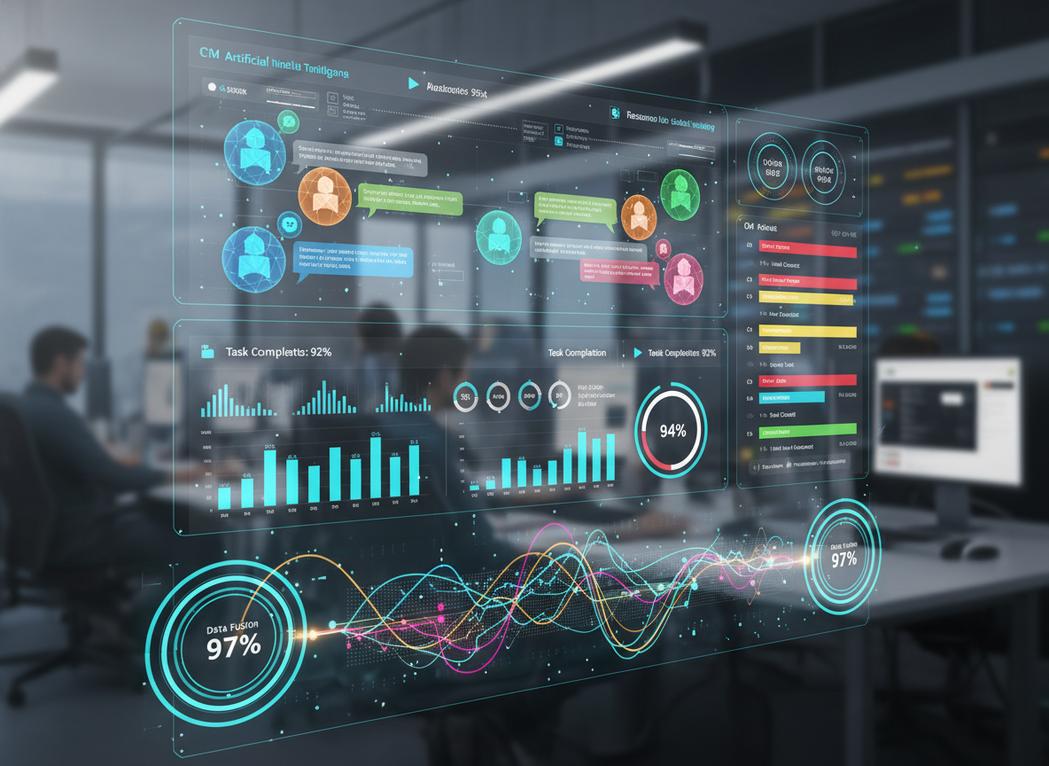
Multi-agent LLM systems are like a team of specialized AI bots working together to solve a larger problem. Instead of one large language model trying to do everything, these systems assign different “agents” specific roles and tasks. Think of it as breaking down a big project into smaller, manageable parts, each handled by an expert AI.
Single-Agent vs Multi-Agent Approaches
Most people start with single-agent LLM apps. A single agent processes information and generates a response based on its prompt. This works well for straightforward queries or simple content creation. However, for nuanced problems that require diverse perspectives or a sequence of complex steps, a single agent often falls short.
Multi-agent systems, on the other hand, distribute the workload. One agent might research, another might analyze, and a third might summarize. This division of labor allows for more robust and accurate outcomes, tackling problems that would overwhelm a lone AI. To understand the foundation, check out our guide on how AI agents work.
Core Design Patterns in Multi-Agent Systems

Designing effective multi-agent systems involves understanding how these individual agents work together. Different patterns suit different kinds of problems, much like organizing a human team for various projects.
Manager–Worker Pattern
This is a common setup: a “manager” agent oversees the entire process and delegates specific tasks to “worker” agents. The manager breaks down the main goal, assigns sub-tasks, and then compiles the results from the workers. For instance, the manager might task one worker to gather data and another to analyze it, then synthesize their findings for a final report. This helps streamline complex tasks by keeping the overall objective in view while distributing the heavy lifting.
Specialist Agent Pattern
In this pattern, each agent has a unique area of expertise. When a problem arises, the system directs it to the most suitable specialist. Imagine a legal research system where one agent specializes in contract law, another in intellectual property, and a third in litigation. The query goes to the relevant expert, ensuring deep and accurate responses. This is a powerful way to build LLM apps that offer specialized solutions.
Debate and Consensus Pattern
This pattern mimics human brainstorming sessions. Multiple agents, potentially with conflicting viewpoints, are tasked with solving the same problem. They “discuss” and “debate” their findings, ultimately working towards a consensus or the most optimal solution. This approach is excellent for problems with no single right answer, fostering a more balanced and critical output.
Communication and Coordination Between Agents

For any team to work, communication is key. The same applies to multi-agent LLM systems. Agents need clear ways to share information and understand their roles.
Shared Memory and Message Passing
Agents often coordinate through shared memory or message passing. Shared memory acts like a central whiteboard where all agents can read and write information, keeping everyone updated on the project’s progress. Message passing, on the other hand, is like sending direct emails or chat messages between agents, ensuring specific information goes to the right recipient. Tools like n8n can be used for orchestration, setting up these communication pathways within your workflows.
Growth Design Studio leverages n8n as a key component for building AI agents and LLM-powered applications using custom APIs and frameworks like LangChain, ensuring robust communication and coordination. Learn more about AI automation vs. traditional methods to see how these fit in.
Role Assignment and Boundaries
Clearly defined roles prevent chaos. Each agent needs to understand its responsibilities and the boundaries of its actions. This ensures agents don’t step on each other’s toes or duplicate efforts. A well-designed system will automatically assign roles based on the task, ensuring the right specialist handles each part of the problem.
Why Teams Are Moving Toward Agent Collaboration
The shift to multi-agent collaboration isn’t just theoretical; it’s practical. When you build LLM apps for real-world scenarios, you often find tasks need more than one viewpoint. For example, a customer support query might need an agent to understand the user’s intent, another to search the knowledge base, and a third to craft a polite, personalized response. This collaborative model helps businesses build robust AI agents that enhance business workflows and improve customer interactions.
Growth Design Studio helps clients implement these advanced AI voice agents, customer support automation, and sales automation solutions. Dive deeper into automated customer support benefits for practical strategies.
Orchestration Models for Multi-Agent Systems
How you manage these agents is crucial. Orchestration models define the flow and control of the system, whether it’s a single leader or a more organic collaboration.
Centralised Orchestration
With centralized orchestration, a main controller — often another LLM acting as a “conductor” — directs all agents. This central brain decides which agent does what, when, and how, keeping a tight grip on the entire process. It’s like a project manager assigning tasks and monitoring progress, ensuring everything aligns with the main goal. This offers strong control and predictability.
Decentralised and Emergent Systems
Decentralized systems, conversely, allow agents to interact more autonomously. There’s no single boss; agents communicate directly, reacting to each other’s outputs and forming solutions more organically. This can lead to emergent behaviors and creative solutions not explicitly programmed. While harder to control, these systems can be more adaptable and resilient.
Real-World Use Cases
So, where can you apply these multi-agent systems to see real results? The possibilities extend beyond simple chatbots.
Complex Research and Analysis
Imagine needing a comprehensive report on a new market trend. A multi-agent system could deploy one agent to gather data from various sources, another to analyze sentiment in news articles, a third to identify key competitors, and a fourth to synthesize all findings into a structured report. This saves countless hours of manual research, delivering deeper insights faster.
End-to-End Business Process Automation
From customer onboarding to supply chain management, multi-agent LLM systems can automate entire business processes. One agent might handle initial client inquiries, another qualify leads, a third generate customized proposals, and a fourth manage follow-ups. This end-to-end automation, particularly when building LLM apps, can cut down on manual tasks by 70%, freeing up your team to focus on strategic work.
Growth Design Studio specializes in implementing these comprehensive workflow orchestrations using n8n and other modern AI models, enabling businesses across real estate, healthcare, professional services, and local services to build LLM apps and AI agents, streamlining tasks and boosting productivity.
Product and Engineering Support
For product development or engineering teams, agents can collaborate on code reviews, bug fixing, or even generating initial code drafts. One agent could identify potential vulnerabilities, another suggest optimizations, and a third verify compliance with coding standards. This accelerates development cycles and improves code quality significantly.
Challenges in Multi-Agent LLM Systems
While powerful, these systems aren’t without their hurdles. Understanding these challenges helps you design more robust solutions.
Debugging and Observability
When multiple agents interact, it can be tough to pinpoint where things went wrong if an error occurs. Debugging becomes more complex than with a single-agent system. Building in strong logging and observability tools from the start is essential to track agent interactions and understand their decision-making processes.
Growth Design Studio prioritizes building secure, scalable automation frameworks with best practices for data handling, API integrations, and workflow reliability, ensuring solutions are modular, auditable, and easy to maintain.
Cost Explosion and Token Usage
Each agent interaction consumes computational resources and generates tokens. In a complex multi-agent setup, token usage can quickly add up, leading to higher operational costs. Careful design is needed to optimize agent communication and prevent redundant processing, keeping costs in check.
Consistency and Conflict Resolution
Agents might occasionally produce conflicting information or take contradictory actions. Establishing clear protocols for conflict resolution and ensuring consistency in output is vital. This might involve a “referee” agent or a consensus mechanism to resolve disagreements.
When (and When Not) to Use Multi-Agent Systems
Multi-agent systems are a game-changer for specific problems, but they aren’t a universal fix. Knowing when to use them saves time and resources.
Complexity Thresholds
If your problem is truly complex, requiring diverse expertise, sequential reasoning, or a high degree of adaptability, then a multi-agent system is likely a good fit. Think of tasks that a human team would tackle collaboratively. If a single prompt and a single LLM can get the job done, don’t overcomplicate it.
Simpler Alternatives
Sometimes, a simpler automation with a single LLM or even rule-based logic is enough. Don’t jump to multi-agent architecture if a basic workflow using n8n and an API integration can achieve the desired outcome. Start simple, then scale up complexity only when the problem demands it.
Designing Multi-Agent Systems for Production
Building multi-agent systems for production means focusing on reliability, efficiency, and scalability. You need robust frameworks, careful prompt engineering for each agent, and a clear understanding of how they will integrate into your existing tools and workflows. When you build LLM apps with multiple agents, think about performance from the start.
Want to design and implement robust multi-agent LLM systems for your business? Growth Design Studio architects custom, production-ready solutions that tackle your most complex automation challenges, ensuring a problem-first approach, practical automation design, and a focus on real business outcomes.
Book your free automation audit to see how multi-agent systems can transform your workflows.
Frequently Asked Questions
What are the key benefits of multi-agent LLM systems over single-agent ones?
Multi-agent systems distribute tasks among specialized AI agents, leading to more accurate, efficient, and collaborative outcomes for complex problems, unlike single agents that may struggle with multifaceted tasks.
How do I choose the right design pattern for my multi-agent system?
Consider your problem’s nature: Use manager-worker for structured oversight, specialist for domain-specific expertise, or debate/consensus for creative, balanced solutions. Start with your workflow’s complexity.
What tools are essential for building multi-agent LLM systems?
Popular tools include n8n for orchestration, LangChain for agent frameworks, and LLMs like those from OpenAI. For comparisons, explore choosing the right LLM.
Conclusion
Multi-agent LLM systems represent the future of AI automation, enabling businesses to tackle intricate challenges with collaborative AI teams. By mastering design patterns like manager-worker and specialist agents, and addressing challenges such as cost and debugging, you can unlock significant efficiency gains. At Growth Design Studio, we’re here to guide you in implementing these systems tailored to your needs. Ready to elevate your workflows? Contact us for a free consultation today.