



Best voice AI for healthcare front-desk automation has quietly become a real problem clinics and hospitals are trying to solve — not because it’s trendy, but because front desks are overwhelmed. Call volumes keep climbing. Patients expect answers around the clock. Appointments, reschedules, intake forms, follow-ups — it all piles up fast. And hiring more staff isn’t always an option.
Voice AI has started to fill that gap. These systems can actually listen, understand what a caller wants, and respond in a way that feels… normal. Not perfect, but good enough to take real work off the front desk.
That said, not all voice AI works in healthcare. Far from it. Many tools are built for generic customer support and fall apart once compliance, EHRs, or clinical workflows come into play. Healthcare has sharper edges. And voice systems either respect that — or they don’t.
This guide dives into three leading voice AI solutions that serve healthcare operational needs:
- Retell AI — a general voice AI platform optimized for phone automation
- Sully.ai — healthcare-first AI agents that cover front desk, intake, and clinical support
- Suki (and comparable healthcare virtual assistants) — AI voice assistants purpose-built for clinical documentation and administrative automation
You’ll get actionable comparisons across pricing models, performance, compliance, integration, and recommended use cases — plus advice on choosing the right platform for your organization.
Why Healthcare Front Desks Are Turning to Voice AI

Administrative burdens in healthcare aren’t new, but they are now unsustainable:
- Long call queues and unanswered patient calls
- Rising staffing costs
- Complex scheduling and rescheduling workflows
- Patient dissatisfaction with IVRs and robotic systems
Voice AI can transform this by:
- Fielding inbound calls 24/7
- Scheduling, rescheduling and confirming appointments
- Routing calls to specific departments or providers
- Providing basic, safe information without human staff
But voice AI in healthcare needs stricter demands — it must be HIPAA-compliant, integrate with clinical systems (EHRs), and work with sensitive patient data.
Best Voice AI for Healthcare Front-Desk Automation
Below are the three platforms this article will compare in depth.
Retell AI
Retell builds production-ready voice agents that answer, interpret, and act on phone calls using conversational AI. Retailers, service teams, and healthcare organizations alike use it to automate call handling and scheduling.
Sully.ai
Sully is a healthcare-centric AI platform with a suite of “AI Medical Employees” — including a voice receptionist agent, clinical documentation tools, and care assistants that integrate deeply into clinical workflows.
Suki
Suki is an AI assistant designed to reduce clinician workload by automating paperwork, clinical notes, documentation, and certain administrative tasks. While its core focus isn’t phone answering alone, its voice and assistant capabilities help with clinical intake and workflow automation across the patient journey.
| Platform | Best use case | Why teams choose it |
|---|---|---|
| Retell AI | Automating inbound calls & appointment scheduling | Quick setup, natural conversations, usage-based pricing |
| Sully.ai | End-to-end healthcare operations & intake | Built specifically for healthcare with deep EHR workflows |
| Suki | Reducing clinician documentation & admin work | Voice-first AI designed for clinical productivity |
In short: Retell is best for front-desk call automation, Sully is best for healthcare-native operational workflows, and Suki is best when clinician time and documentation are the primary pain points.
Best Voice AI for Healthcare Front-Desk Automation: Pricing Explained
Retell AI
- Pay-as-you-go per minute
- No heavy upfront contracts
- Good for testing and scaling phone automation gradually
(Note: actual per-minute rates vary; consult provider pricing.)
Sully.ai
- Enterprise pricing tailored for healthcare systems
- Usually requires customized quotes and onboarding
- Focused on organizations of scale rather than pay-per-minute automation
Suki
- Subscription/enterprise pricing depending on modules
- Often sells as part of broader EHR/clinical AI support packages
Capabilities That Matter in Healthcare
Voice Automation & Call Handling
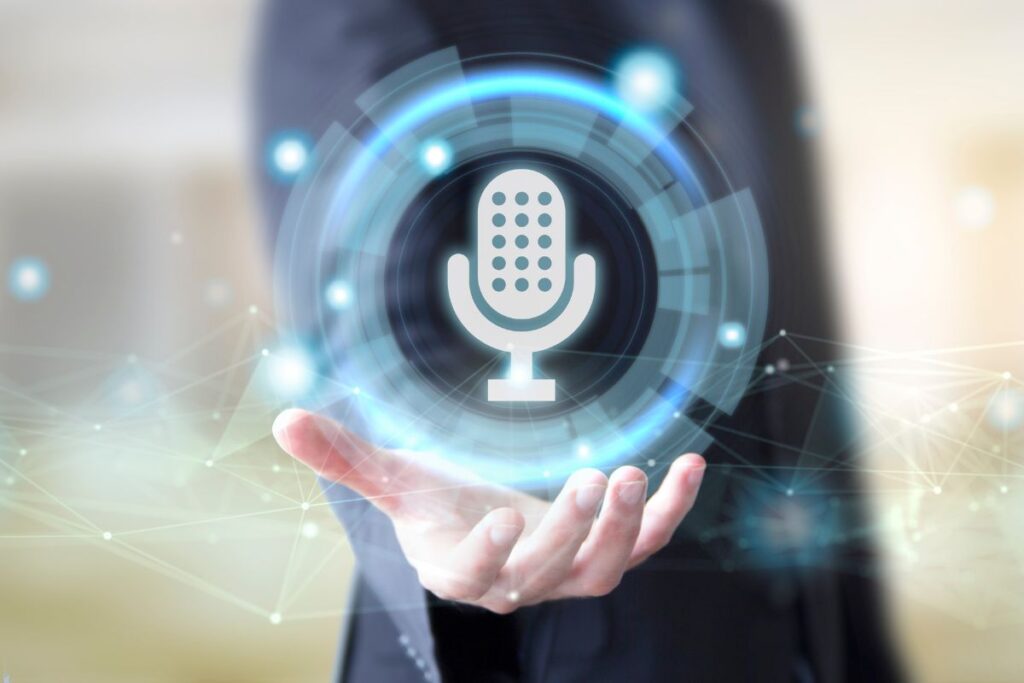
Retell AI automates inbound calls, converting voice to action — routing to appropriate staff or scheduling systems. It replaces menu-based IVRs with natural language understanding.
Sully.ai includes an AI receptionist that can handle call answering, scheduling, and patient check-ins, designed specifically for healthcare front desks.
Suki isn’t primarily a phone bot, but its voice capabilities help clinicians capture and automate administrative data and documentation across workflows.
EHR & Clinical System Integration
Deep integration with clinical systems is essential for real healthcare automation:
- Retell AI supports APIs and can integrate with EHRs via connectors.
- Sully.ai shows explicit integration with major EHR systems like Epic and Cerner, suggesting a stronger native clinical linkage.
- Suki is widely known for clinical documentation within EHR workflows, making it strong for clinician-centric tasks.
Compliance & Data Security
Healthcare automation must remain compliant with local laws:
- Retell’s architecture supports HIPAA-compliant handling of patient calls.
- Sully’s entire platform is focused on healthcare data workflows, with emphasis on compliance and secure deployments.
- Suki’s tools are designed for clinical environments with built-in compliance for medical documentation.
Choosing the Right Platform for Your Healthcare Setting

Small & Mid-Size Clinics
- Best choice: Retell AI
- Why: Quick to set up, pay-per-use, low risk for pilots.
Hospitals & Large Health Systems
- Best choice: Sully.ai
- Why: Healthcare-first design, deep EHR integration, broad suite of AI agents.
Clinician Workload & Documentation Focus
- Best choice: Suki
- Why: Helps reduce clinician burden beyond phone automation.
Implementation Tips for Voice AI in Healthcare
- Define clear goals
- What percentage of calls should the AI handle?
- Which workflows belong to humans by policy?
- Test with real patient calls
- Collect samples, assess accent and medical terminology handling
- Validate integrations early
- EHR connectivity, scheduling systems, and analytics pipelines
- Plan for compliance review
- Data retention, access control, logging, and audit readiness
Final Thoughts
There’s no one-size-fits-all answer when it comes to the best voice AI for healthcare front-desk automation. The right choice depends on your organization’s size, operational goals, and how much technical complexity you’re ready to manage.
Retell AI works well for teams that need flexible, scalable voice automation without heavy engineering. Sully.ai brings healthcare-first intelligence that spans front-desk operations and deeper clinical workflows. And Suki is best suited for organizations focused on reducing clinician documentation and administrative burden.
How Growth Design Studio Can Help You Deploy the Right Voice AI
Choosing a voice AI platform is just step one. Designing, integrating, and optimizing it for real-world healthcare workflows is what delivers results.
At Growth Design Studio we:
- Evaluate your operational needs and compliance requirements
- Recommend the optimal platform (Retell, Sully, Suki, or others)
- Build and configure your voice agents
- Integrate with EHRs, calendars, and front-desk systems
- Test, refine, and monitor performance
👉 Book a free voice-AI readiness consult with our team — and get a tailored deployment roadmap for your healthcare organization.