



Still stuck with manual processes that just don’t cut it anymore? The world of automation offers two main paths: traditional rule-based systems and the more intelligent AI automation. Knowing the difference isn’t just theory; it helps you choose the right tools to save time and boost results. As an AI automation and systems agency, Growth Design Studio helps small and mid-sized businesses navigate these choices to implement custom-built solutions.
By the end of this post, you’ll understand the core distinctions between these two approaches, know when to use each, and see how ai automation: build llm apps can unlock smarter workflows for your business.
What Is Traditional Automation?

Traditional automation is about setting up predictable, repetitive tasks to run automatically. Think of it as a digital assistant that follows exact instructions without deviation.
Rule-Based Systems and RPA
At its heart, traditional automation often relies on rule-based systems. These are workflows where a specific input always triggers a specific, pre-defined output. Robotic Process Automation (RPA) is a key player here, mimicking human interactions with software to automate structured tasks. If a process has clear, unchanging steps — like data entry, invoice processing, or generating standard reports — RPA can streamline it efficiently.
Strengths of Traditional Automation
The main benefit of traditional automation lies in its reliability and predictability. When you need to handle high volumes of uniform tasks, it excels at reducing human error and speeding up operations. It’s a robust solution for well-defined processes that don’t change often.
What Is AI Automation?

AI automation, on the other hand, brings intelligence to the table. It moves beyond strict rules, allowing systems to learn, adapt, and make decisions based on data.
Role of Machine Learning and LLMs
This is where machine learning and Large Language Models (LLMs) come in. Instead of rigid rules, AI automation uses algorithms that can interpret, understand, and generate content, making it incredibly versatile. For instance, Growth Design Studio specializes in using these technologies to build LLM apps that handle complex customer queries or summarize lengthy documents, tasks where traditional automation would struggle. You’ll learn how LLMs reason, and how to build simple function-calling apps with structured tools and APIs to enhance business processes (Sarker, 2025).
From Scripts to Intelligence
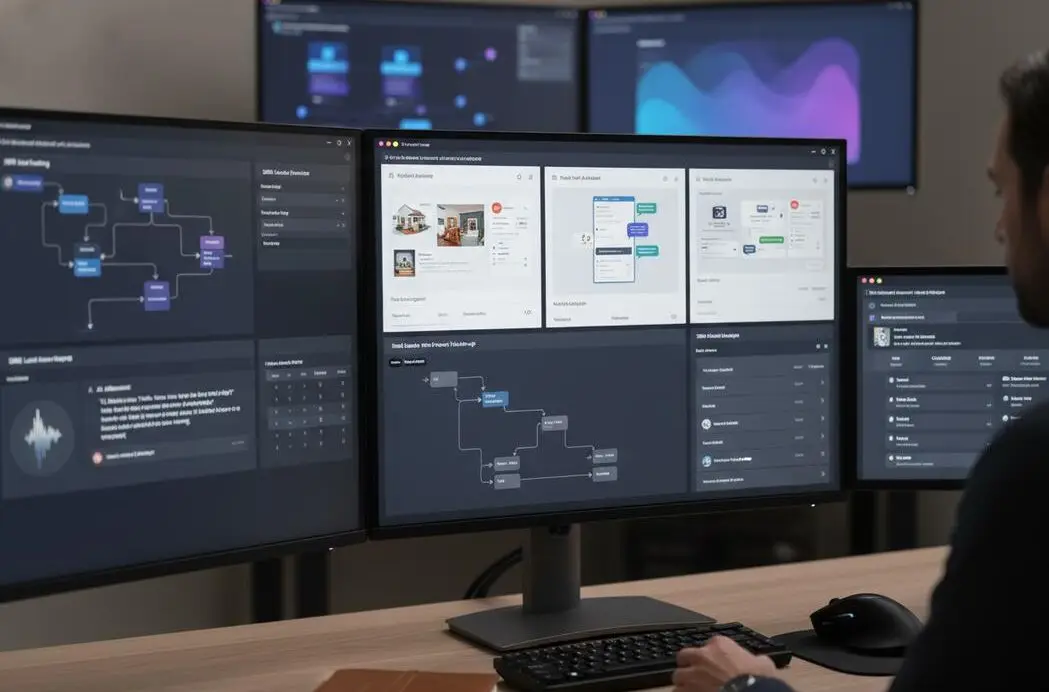
The shift is from simple scripts to intelligent agents. While traditional automation executes a script, AI automation can understand context, infer meaning, and even “reason” to complete tasks. This means handling variations and unstructured data that would break a traditional bot. Growth Design Studio leverages tools like n8n for orchestration when they build LLM apps and AI agents, integrating various APIs for powerful, intelligent workflows, including custom API integrations and end-to-end workflow orchestration (Technobrains, 2025).
Core Differences Between AI Automation and Traditional Automation
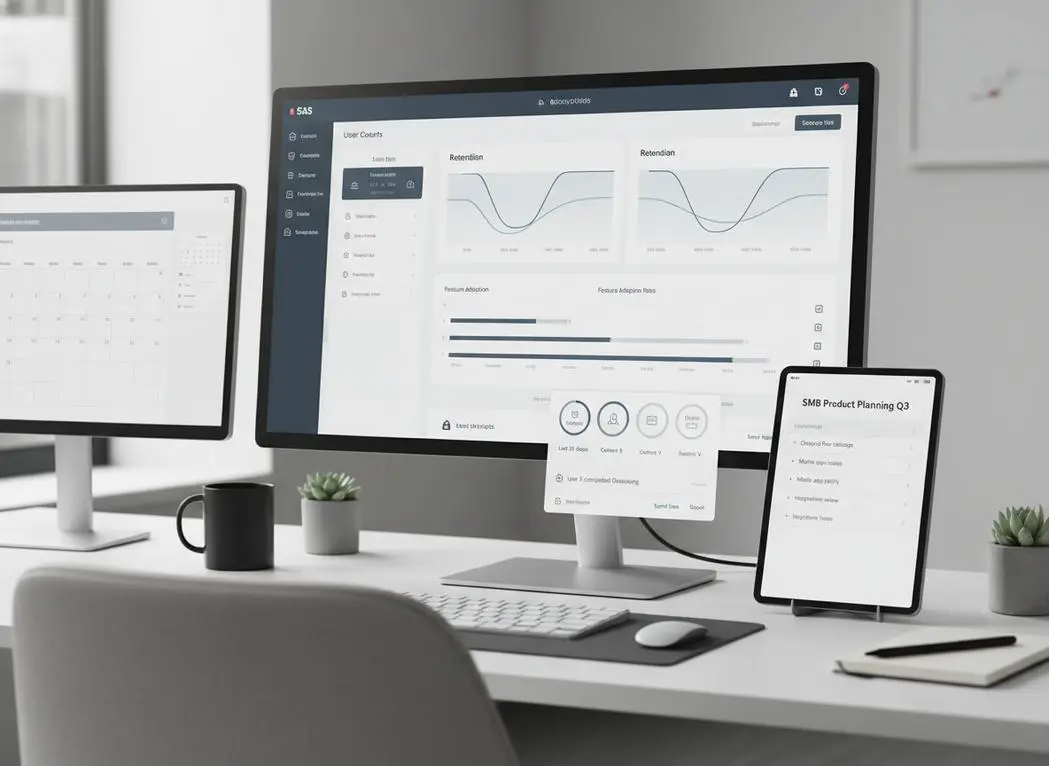
Understanding these differences is crucial for choosing the right approach for your business challenges.
Decision-Making Capabilities
Traditional automation follows a strict “if this, then that” logic. It can’t make judgments or handle exceptions it wasn’t programmed for. AI automation, conversely, uses learned patterns to make dynamic decisions, even when faced with novel situations, a key area of expertise for Growth Design Studio in crafting adaptive solutions.
Handling Unstructured Data
This is a major differentiator. Traditional automation struggles with unstructured data like free-text emails, voice recordings, or images. AI, especially with LLMs, can process, understand, and generate human-like text, making it perfect for tasks involving diverse data types. To build LLM apps effectively, developers often start with basic AI automation through RESTful APIs and gradually advance (Markovic, 2025).
Adaptability and Learning
Traditional systems are static; they only do what they’re told. If a process changes, you need to reprogram them. AI automation, however, can learn from new data and experiences, continually improving its performance without constant manual intervention. This adaptability is key for evolving business needs, and a core principle in the automation solutions designed by Growth Design Studio.
Development and Maintenance Effort
Initially, setting up traditional automation can seem simpler for very straightforward tasks. However, AI automation, while requiring more upfront data and model training, offers greater flexibility and can handle more complex scenarios, potentially reducing long-term maintenance in dynamic environments. Growth Design Studio focuses on practical automation design and fast implementation to ensure their AI solutions deliver real business outcomes. Many resources, like a Udemy course on ai automation: build llm apps, provide practical frameworks for creating powerful automations and intelligent AI agents (Udemy, n.d.).
AI Automation vs RPA: Where LLMs Fit In
RPA is excellent for repetitive tasks, but it has limitations that LLMs can overcome.
Augmenting RPA with LLMs
Imagine an RPA bot handling invoice data entry. If an invoice format changes slightly, the bot might fail. By augmenting RPA with LLMs, the system could intelligently interpret the new format, extract the necessary information, and then feed it back to the RPA bot. This creates a hybrid, more resilient workflow, a strategy often employed by Growth Design Studio to enhance existing systems.
Use Cases Where RPA Falls Short
RPA falls short when tasks require understanding, judgment, or interaction with varied, unstructured human language. Examples include customer service chatbots that handle nuanced queries, content generation, or complex data analysis from diverse sources—areas where ai automation: build llm apps excels and where Growth Design Studio offers specialized solutions like AI voice agents and customer support automation.
When Traditional Automation Is Still the Right Choice
Despite the rise of AI, traditional automation holds its ground in specific scenarios.
High-Volume, Low-Variation Tasks
For processes that are incredibly consistent and high-volume, like nightly database backups, simple data migration, or routine report generation, traditional automation remains a cost-effective and reliable choice. It’s about efficiency without complexity.
Compliance-Heavy Environments
In industries with strict regulatory compliance, where every action must be auditable and predictable, traditional rule-based systems offer a clear, unyielding execution path. The transparent logic helps meet compliance requirements directly.
When AI Automation Delivers More Value
AI automation shines where flexibility, intelligence, and understanding are paramount.
Knowledge-Driven Workflows
Any workflow that involves interpreting information, making recommendations, or generating creative content benefits hugely from AI. This includes everything from legal document review to personalized marketing content creation. To build LLM apps for smarter workflows means streamlining tasks and cutting costs across industries, a core offering from Growth Design Studio for small and mid-sized businesses (Hakuna Matata Tech, 2025).
Customer and Employee Experience
AI automation can significantly elevate both customer and employee experiences. Think intelligent chatbots that resolve complex issues, personalized customer support, or internal tools that summarize meetings or draft communications for employees. Growth Design Studio builds AI voice agents and customer support automation solutions that cut response times and boost CSAT for their clients (Ask-AI, n.d.).
How Enterprises Are Transitioning to AI Automation
Many businesses aren’t ditching traditional automation entirely but are evolving their strategies.
Hybrid Automation Models
The most common approach is a hybrid model. This means integrating AI components, like LLMs, into existing traditional automation workflows. This allows businesses to leverage the strengths of both, using traditional methods for stable, high-volume tasks and AI for the more intelligent, adaptive parts. Growth Design Studio specializes in these hybrid approaches, designing modular, auditable, and easy-to-maintain solutions.
Change Management Challenges
Moving to AI automation isn’t just a tech upgrade; it’s a shift in how work gets done. This often brings challenges in change management, requiring teams to learn new skills and adapt to new ways of collaborating with intelligent systems. Clear communication and training are essential for a smooth transition.
Choosing the Right Automation Strategy
Deciding between AI automation and traditional automation—or a hybrid approach—comes down to your specific needs. Evaluate your processes: Are they rigid and predictable, or do they require understanding, adaptability, and decision-making? The answer will guide your path. Often, the most effective solution involves a blend, using the reliability of traditional methods where appropriate and harnessing the intelligence of AI to build LLM apps for complex, knowledge-driven tasks. Growth Design Studio offers a problem-first approach and practical automation design to help businesses across real estate, healthcare, professional services, local services, and digital-first companies to implement these smarter workflows.
Ready to design intelligent automation roadmaps for your organization? Book your free automation audit with Growth Design Studio today to explore how custom-built automation solutions can save you time, reduce manual work, and grow revenue.
Frequently Asked Questions
What is the main difference between AI automation and traditional automation?
AI automation uses machine learning and LLMs to adapt and handle unstructured data, while traditional automation relies on fixed rules for predictable tasks.
How can I build LLM apps for AI automation?
Start with frameworks like LangChain or OpenAI APIs to create function-calling apps. Resources like Udemy courses on ai automation: build llm apps offer step-by-step guidance for beginners.
When should I choose traditional automation over AI?
Opt for traditional methods for high-volume, low-variation tasks like data entry or compliance-heavy processes where predictability is key.
Can RPA and LLMs work together?
Yes, hybrid models augment RPA with LLMs to handle variations in data, creating more resilient workflows for complex tasks.
What industries benefit from building LLM apps?
Industries like healthcare, real estate, and customer service see major gains in efficiency and experience through AI automation with LLMs.
Conclusion
In summary, while traditional automation provides reliability for structured tasks, AI automation—especially through ai automation: build llm apps—offers the intelligence needed for adaptive, knowledge-driven workflows. Businesses that embrace hybrid strategies will future-proof their operations. Partner with experts like Growth Design Studio to implement these solutions tailored to your needs and watch your productivity soar.